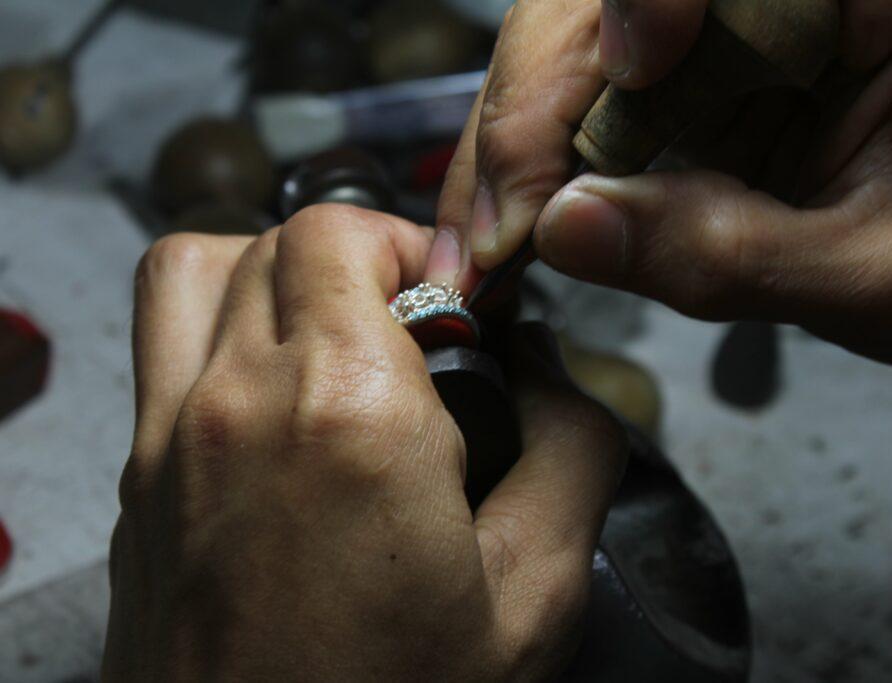





“Jewelry Setting” and “gem mounting” sound as if they could almost be synonyms for the same process. The two words are very different.
Jewelry setting doesn’t refer to the process of “setting” gems into jewelry. Instead, the term is a noun and references a piece of jewelry.
So, how does one go from having a “jewelry setting” to a finished piece? That’s where “gem mounting” comes in–the process of integrating the stone or stones.
However, as diverse as the precise details of the jewelry setting may be, we can look at several standard “general practices” today.
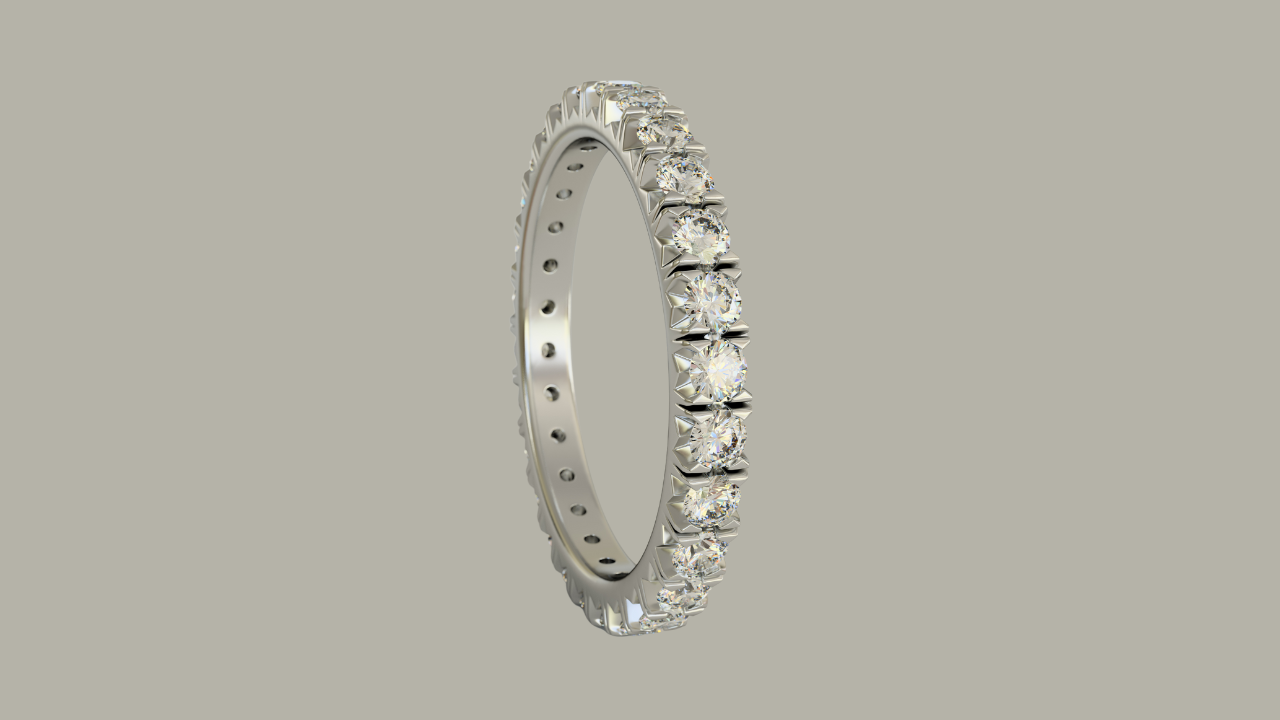
When a jeweler uses a “channel setting” process, it inserts the gemstones in a row between lengthwise bars, creating a “channel”.
This style means no additional metal needs to be used between individual stones, and it also eliminates the use of prongs.
Another style of jewelry that often integrates the process is “tennis bracelets,” — named after a famous incident in 1987.
Bezel Setting
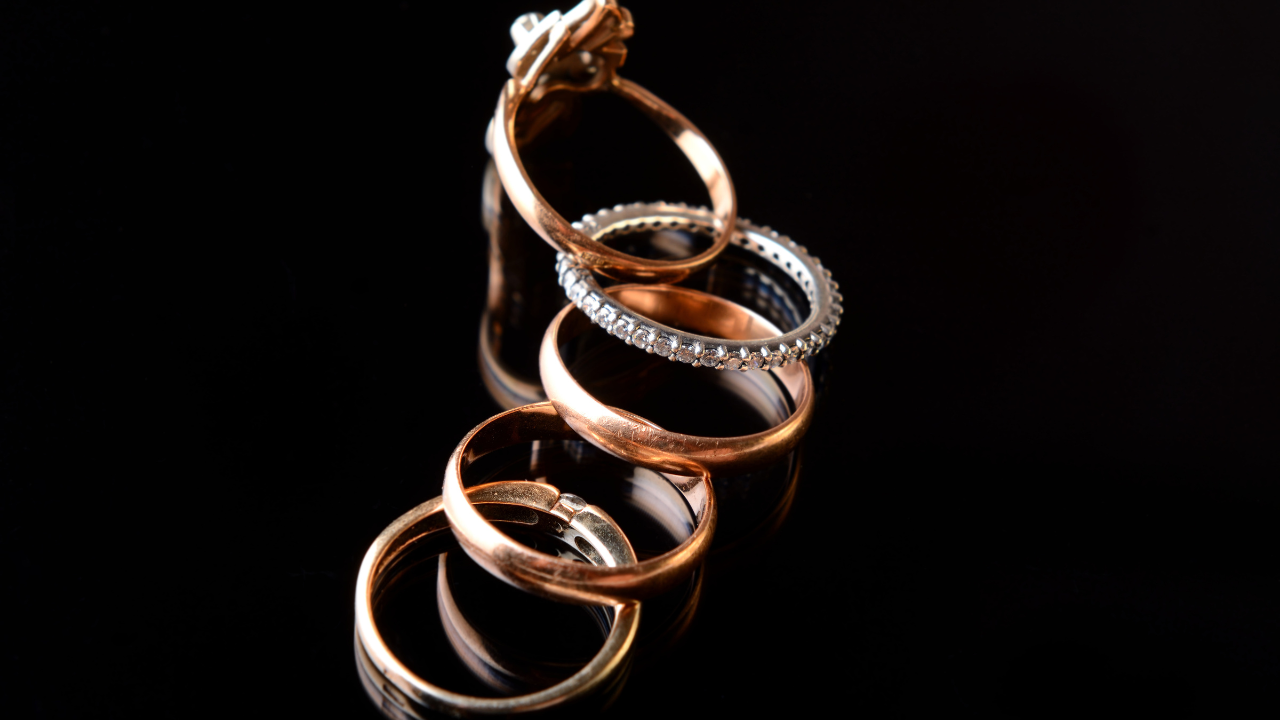
Among all of the techniques for jewelry setting, perhaps the oldest is the bezel setting. Despite its age, the bezel setting remains the most frequent setting style for cabochons (stones with curved tops and flat bottoms).
In bezel settings, a length of metal is curved into the dimensions and shape of the stone, after which the piece of jewelry is connected to the metal with soldering. Once the stone is firmly entrenched into the bezel, the metal is draped over the gem to keep it fixed securely.
This process is typically done by hand but may reduce the amount of light able to pierce through the gemstone–which can result in a less brilliant look of the gem than other setting methods.
Pave setting
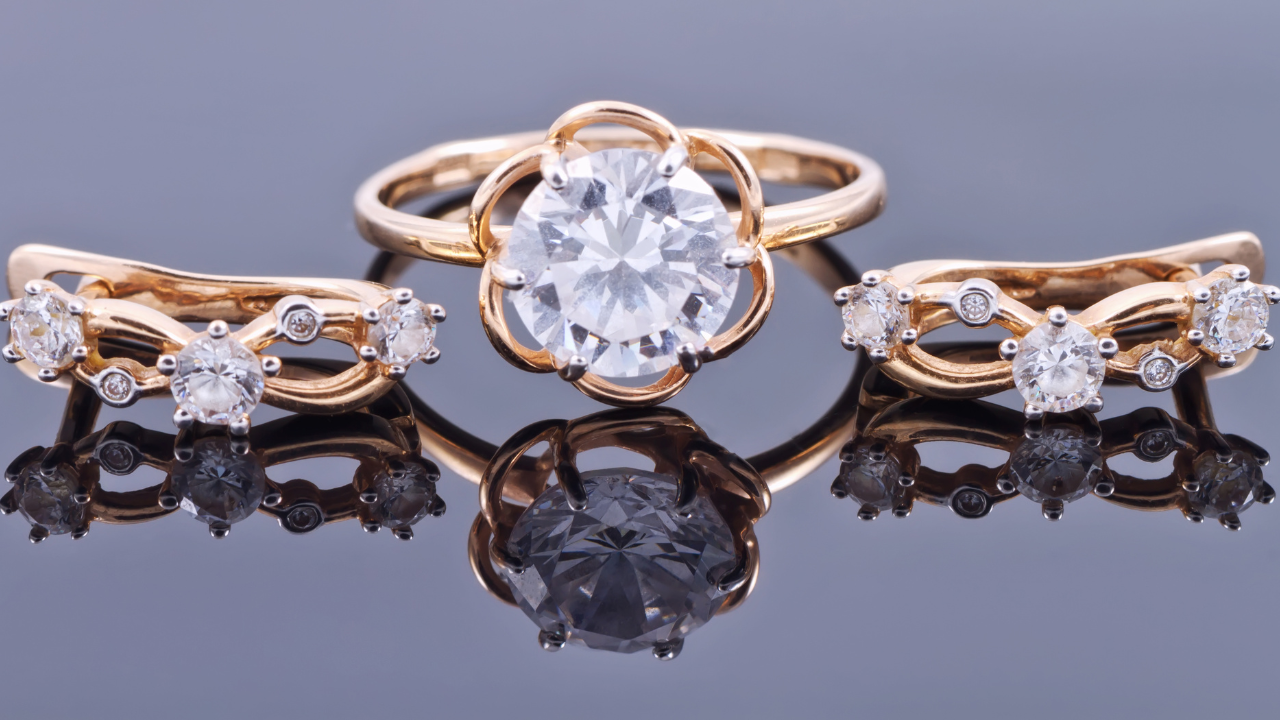
Most used with small, round cut gemstones, pave setting entails a jeweler creating a series of small indentations, marginally smaller than the girdles of the gems that will be inserted. After fitting the rocks inside these holes, the jeweler presses over these girdles with tiny prongs of raised gold.
The process requires considerable skill from an experienced jeweler with specialized skills but can create a particularly striking effect when done correctly.
Prong Setting
If bezel setting is known as one of the old methods of gem setting, then prong setting is the most popular method used today.
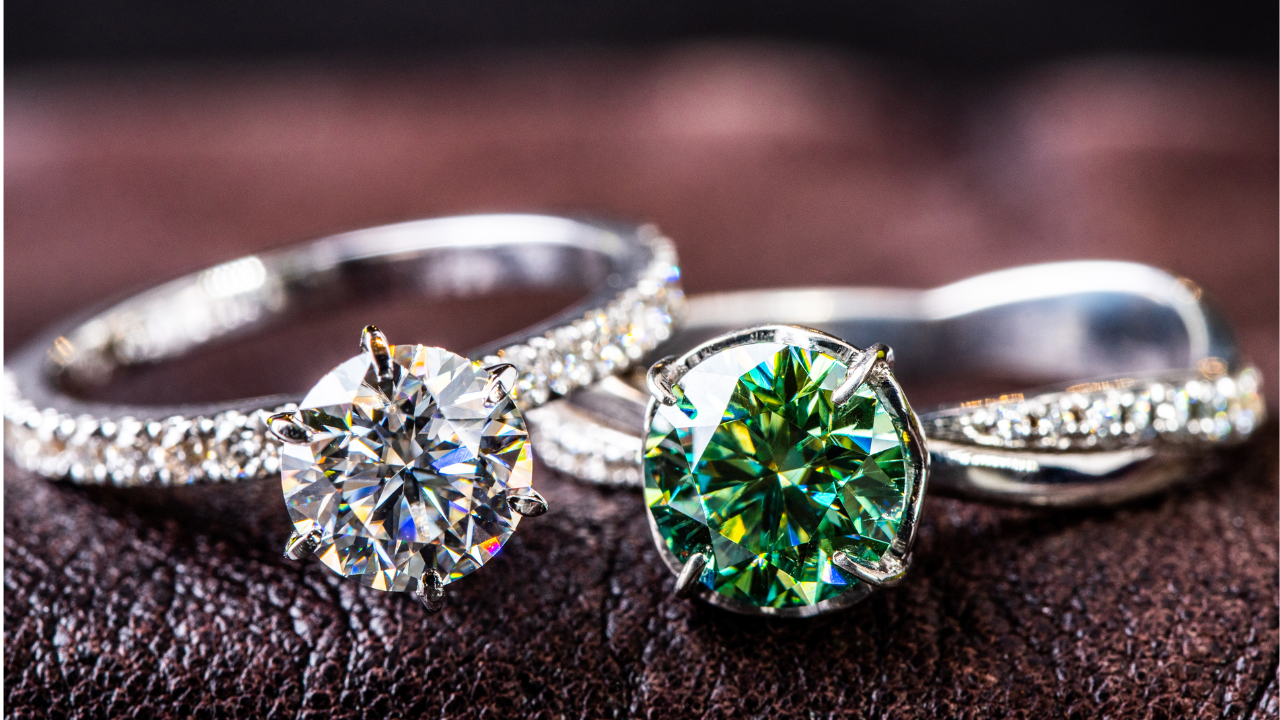
Unsurprisingly, prong settings feature prongs–typically 3 to 4, but sometimes more depending on the weight and size of the stone. The tips of the prongs are designed with notches and bent edges to wrap around the edges of the tops of the rocks, keeping the gem firmly in place.
This setting style is also typically accompanied by a wire “basket” under the stone, raising the gem and often allowing additional light to pass through the stone. You may also hear this “basket” fitting sometimes described as a “head mounting.”

Illusion setting
Illusion settings are a type of setting that can make small gems look more significant than they are.
To achieve the effect, a jeweler encircles the girdle of the gem with highly reflective metal so that the metal itself looks like it is a part of the gem. This can also be a valuable technique for a jeweler to apply when refuting a piece of jewelry with a smaller stone than it may have been initially designed for.
Conclusion
Of course, these techniques only scratch the surface of the various processes involved. For a more extensive breakdown of which methods may be best for your next project, or any other questions you may have on jewelry manufacturing, our experts here at Royi Sal would love to hear from you! As your premiere jewelry partners, we’re always eager to help support you in your jewelry manufacturing aspirations.
Responses (0)
Write a response
Our Newsletter
New arrivals, special promotions, and jewelry care tips.
Related Posts
Blog